
- Normal Pulse Rate For Women Over 50
- What Pulse Is Normal
- Normal Pulse Ox For Adults
- Normal Resting Pulse For Adults
Your heart rate, or pulse, is the number of times your heart beats per minute. Heart rate varies from person to person and depends on age, gender, fitness level, and overall lifestyle, but according to the American Heart Association, a normal resting heart rate for an adult ranges from 60 to 100 bpm. As per the American Heart Association (AHA), if you are an adult, your heart rate should be in the range of 60 to 100 beats per minute. And if your age is between 6 and 15 years, your heart rate should be anywhere between 70 and 100 per minute. What is a good heart rate for my age? A normal resting heart rate for adults ranges from 60 to 100 beats per minute. Generally, a lower heart rate at rest implies more efficient heart function an.
Heart rate, also known as pulse, is the number of times a person’s heart beats per minute. A normal heart rate depends upon the individual, age, body size, heart disease, whether the person is sitting or moving, medication use and even air temperature level. Even feelings can have an impact on heart rate. For instance, getting excited or scared can increase the heart rate. But most significantly, getting fitter decreases the heart rate, by making heart muscles work more efficiently.
Understanding a Normal Heart Rate in Your Age
“Your heart is a muscle and similar to enhancing other muscles by doing activities, you can do the exact same thing with your heart,” said Dr. Mary Ann Bauman, an internist at Integris Baptist Medical Center in Oklahoma City.
Understanding about your heart rate can help you monitor your physical fitness level, and it might assist you spot establishing illness if you are experiencing other symptoms.
“If you are an athlete and you’re training, or if you are having symptoms such as dizziness, then understanding your heart rate is important,” Bauman said. “However as a general guideline, unless someone is having issues, it’s not extremely important to constantly understand what your heart rate is.”
How to measure heart rate
The most convenient places to measure your heart rate are on the wrists or one side of the neck. For an accurate reading, put two fingers over one of these areas and count the variety of beats in 60 seconds. You can also do this for 20 seconds and increase by 3, which might be easier, Bauman stated. Using your thumb may be confusing since sometimes you can feel a pulse in the thumb, she said.
Resting heart rate
Your resting heart rate is your pulse when you are calmly sitting or lying. It’s best to determine your resting heart rate it in the early morning prior to you rise, according to the American Heart Association (AHA). For adults 18 and older, a typical resting heart rate is in between 60 and 100 beats per minute (bpm), depending upon the individual’s physical condition and age. For children ages 6 to 15, the normal resting heart rate is in between 70 and 100 bpm, according to the AHA.
But a heart rate lower than 60 doesn’t always mean you have a medical problem. Active people often have lower heart rates since their heart muscles do not need to work as hard to maintain a constant beat. Athletes and people who are very in shape can have resting heat rate of 40 bpm.
A resting heart rate lower than 60 might also be the outcome of taking certain medications. “Many medications individuals take specifically medication for blood pressure, such as the beta blockers, will lower your heart rate,” Bauman said.
If combined with symptoms, a low heart rate might signify an issue.
“A low heart rate in somebody who is having dizziness and lightheadedness might suggest that they have an abnormality that has to be taken a look at,” Bauman said.
Maximum and target heart rate for people below 50
There is no definitive medical recommendations on when a resting heart rate is high, however a lot of medical specialists concur that a constant heart rate in the upper levels can put too much stress on the heart and other organs. If an individual has a high heart rate at rest and is experiencing other symptoms, doctors might analyze his or her heart function, Bauman said.
Knowing your heart rate during workout sessions can help understand whether you are doing too much or not enough, the AHA says. When individuals work out in their “target heart zone,” they acquire the most benefits and improve their heart’s health. When your heart rate remains in the target zone you know “you are pressing the muscle to obtain more powerful,” Bauman said.
/what-is-a-normal-fetal-heart-rate-2758733-f94943e4bcb1407e83213fc6d832f782.png "Normal")

An individual’s target heart rate zone is between 50 and 85 percent of his or her maximum heart rate, according to the AHA.
A lot of commonly, maximum heart rate is calculate by subtracting your age from 220:
220 – Age. For a 30-year-old person, for example: 220 – 30 = 190.
The target zone for a 30-year-old individual would be between 50 and 85 percent of his/her maximum heart rate:
- 50 level: 190 x 0.50 = 95 bpm
- 85 percent level: 190 x 0.85 = 162 bpm
Maximum Heart Rate for People Older than 50
The formula for maximum heart rate works well for people under 40 but for older people it may overestimate their maximum heart rate, Bauman said. For older people, a much better formula for the optimal heart rate is:
208 – (0.75 x Age)
- You can either manually compute your heart rate during exercise or use heart rate displays that wrap around the chest, or are consisted of in sports watches.
- Nevertheless, that’s not to say that working out without getting the heart rate up to the target zone has no advantage, Bauman said.
” So many individuals just aren’t doing any workout that I worry less about them reaching their target heart rate and more about them getting out and moving their body,” Bauman said.
Reducing a fast heart rate.
Pulse rates can spike due to anxiety, stress, dehydration and overexertion. Taking a seat and taking sluggish, deep breaths can normally decrease your heart rate. Working out and getting trimmer will usually reduce heart rate, too.
Arrhythmia, tachycardia and other conditions

A variety of conditions can influence your heart rate. An arrhythmia causes the heart to beat too quickly, too sluggish or with an irregular rhythm.
Tachycardia is usually considered to be a resting heart rate of over 100 beats per minute, according to the National Institutes of Health, and typically caused when electrical signals in the heart’s upper chambers fire abnormally. If the heart rate is closer to 150 bpm or higher, it is a condition called supraventricular tachycardia (SVT). In SVT, your heart’s electrical system, which controls the heart rate, is out of whack. This normally needs medical attention.
Bradycardia is a condition where the heart rate is too low, usually less than 60 bpm. This can be the result of problems with the sinoatrial node, which acts as the pacemaker, or damage to the heart as an outcome of a heart attack or heart disease.
High blood pressure vs. high heart rate
Some individuals confuse high blood pressure with a high heart rate. Blood pressure is the measurement of the force of the blood against the walls of arteries, while pulse rate is the number of times your heart beats per minute.
There is no direct connection in between the two, and high blood pressure does not always lead to a high pulse rate, and vice versa. Heart rate goes up during laborious activity, however a vigorous workout may just modestly enhance high blood pressure.
Pulse rate is the measure of heart beats per minute. It is typically used to determine the overall health and fitness. Learn the four charts here.

Each time the heart contracts to pump blood that is considered a heartbeat. Pulse rate is a measure of the number of heartbeats per unit of time and it is typically expressed as heartbeats per minute (BPM). It varies based on the body's requirement for oxygen, and as such the pulse rate is at its highest during periods of exercise and at its lowest during sleep.
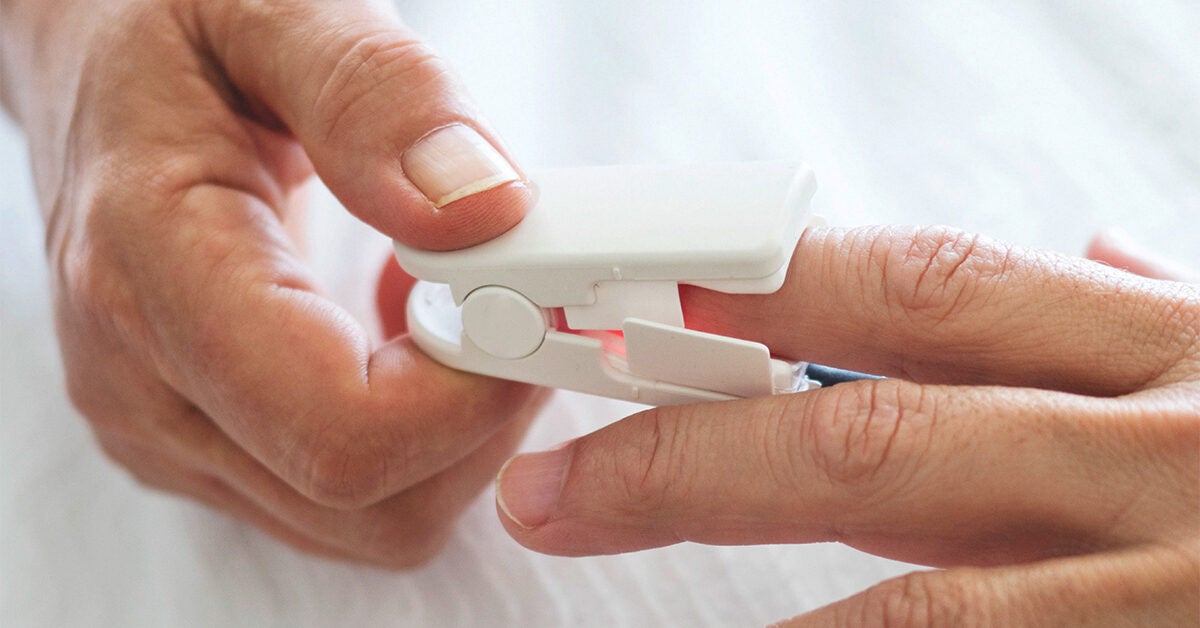
Resting Pulse Rate
1. What Is Resting Pulse Rate?
Resting pulse/heart rate is the number of times that your heart beats per minute when you are at complete rest. It is a basic measure of your overall heart health and fitness level because it represents how much work your heart has to do when you are inactive.
If you have a good fitness level, your heart does not have to work as hard to pump blood throughout your body. This is characterized by fewer heartbeats per minute and a lower resting pulse rate. Based upon your age, there are resting heart rate standards that medical professionals use to gauge your health and fitness levels.
2. Resting Pulse Rate Chart
Table 1 shows the normalized ranges for resting pulse rate (BPM) based upon the age of the individual.
Table 1: Resting Heart Rate Chart
Age | Beats Per Minute (BPM) |
|---|---|
Newborns (0-3 months) | 100-150 |
Infants (3-6 months) | 90-120 |
Infants (6-12 months) | 100-160 |
Children ages 1-10 | 70-130 |
Children over age 10 and adults | 60-100 |
Well-conditioned athletes | 40-60 |
Maximum Pulse Rate
1. What Is Maximum Pulse Rate?
Max heart/pulse rate is the highest number of heart beats that the heart contracts in a minute. Typically, Max HR is utilized as a measure of training intensity and to estimate the level of fitness. Max HR should be measured during physical activity to gauge whether the physical activity is sufficient to raise the heart rate and to make sure that the heart rate is staying within an acceptable range.
Max HR can be determined either by measuring the heart rate after completing physical activity on a treadmill (stress test) or using a standard formula that is based on age and sex. The stress test should be administered by a licensed clinical professional.
Below is the formula to determine Max HR based on the sex and age of the individual:
- Max HR for Women = 226 - current age
- Max HR for Men = 220 - current age
2. Maximum Pulse Rate Chart
Table 2 shows the Max HR Chart is based upon the formula above for both men and women.
Table 2: Maximum Heart Rate Chart
Age | Maximum Heart Rate |
|---|---|
20 years | 200 |
30 years | 190 |
35 years | 185 |
40 years | 180 |
45 years | 175 |
50 years | 170 |
55 years | 165 |
60 years | 160 |
65 years | 155 |
70 years | 150 |
Target Pulse Rate
1. What Is Target Pulse Rate?
Target pulse/heart rate is defined as the rate at which the heart pumps blood throughout the body during workouts in order to safely maximize the cardiovascular benefits from the activity.
Normal Pulse Rate For Women Over 50
The optimal target heart rate is approximately 50-85% of the maximum heart rate. Strenuous physical activities that cause the heart rate to become elevated above 85% of the Max HR may place people at risk for cardiovascular and orthopedic injuries. It is important to consult your healthcare provider before beginning a new exercise regimen because strenuous physical activities can raise the pulse rate in excess of the target heart rate zone.
2. Target Pulse Rate Chart
Often the target heart rate is 50-85% of Max HR, so according to the formula (Max HR for men= 220-age), the target pulse rate for men is shown below.
Table 3: Target Heart Rate Zone Chart
Age | Target Heart Rate Zone (50-85% Max HR) |
|---|---|
20 years | 100-170 |
30 years | 95-162 |
35 years | 93-157 |
40 years | 90-153 |
45 years | 88-749 |
50 years | 85-145 |
55 years | 83-140 |
60 years | 80-136 |
65 years | 78-132 |
70 years | 75-128 |
By comparing your pulse rate during physical activity to the Target Pulse Rate Chart (Table 3), you can determine whether you should decrease or increase your workout intensity for the greatest cardiovascular benefits.
You should keep in mind that Target Pulse Rate is merely a guide because each person may respond differently to physical activity. It is more important to pay close attention to how you feel while you are exercising, specifically whether you are breathing harder or your heart is beating faster than you would expect, given the intensity of the activity as well as muscle fatigue.
3. Fitness Target Pulse Rate Zone
Target zone can be established for each exercise and it is used to determine whether the exercise is optimized for you. The target zone varies based on the intensity level of the exercises (Table 4).
What Pulse Is Normal
Table 4: Fitness Target Heart Rate Zone
Levels of Exercises | Benefits | Max HR (%) |
|---|---|---|
Light Exercise | Maintenance for healthy heart | 50% - 60% |
Weight Loss | Burn fat and calories | 60% - 70% |
Base - Aerobic | Increase endurance and stamina | 70% - 80% |
Conditioning | Fitness conditioning, athletic training and muscle building | 80% - 90% |
Athletic - Elite | Athletic training and endurance | 90% - 100% |
Normal Pulse Ox For Adults
What Causes Heavy Breathing?
Normal Resting Pulse For Adults
Heavy breathing usually occurs after an intense workout, but sometimes this condition can also be a symptoms of a medical concern.